
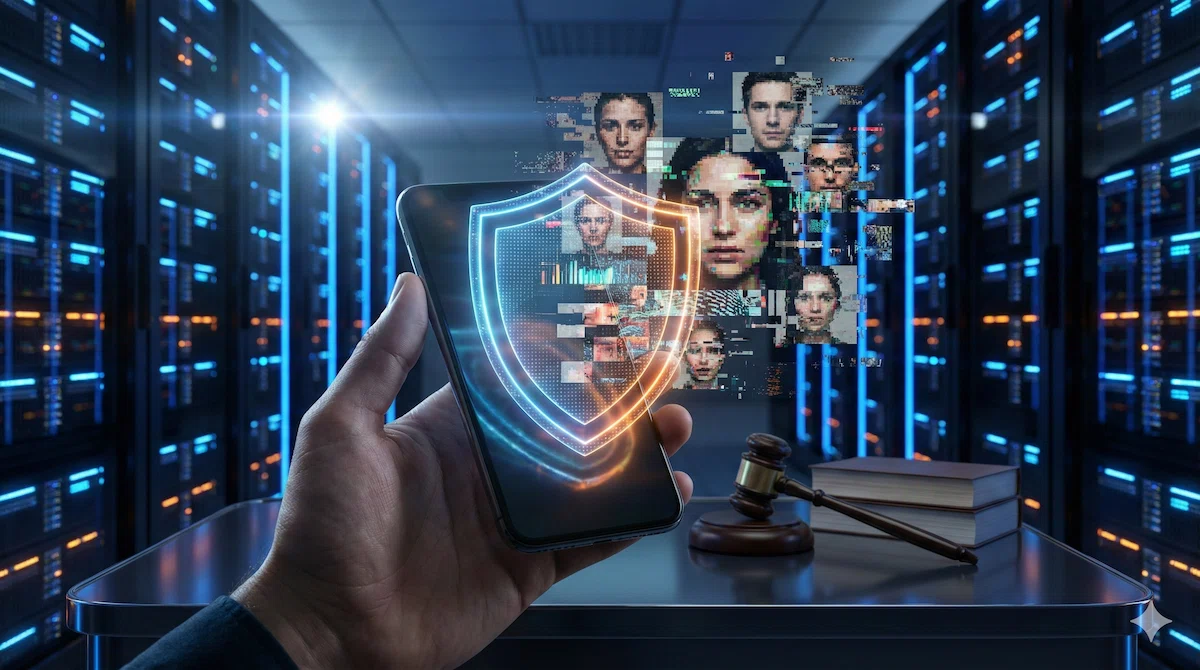
The digital landscape is undergoing a massive regulatory shift as the India deepfake regulations 2026 officially take effect this February. With the rapid rise of synthetic media, the government has introduced sweeping amendments to the Information Technology Rules, specifically targeting deceptive AI-generated content. These new mandates place heavy responsibilities on social media platforms, tech companies, and digital creators to ensure complete transparency and rapid response to illegal content.
For platforms operating in the country, the days of a relaxed 36-hour compliance window are over. The new framework demands immediate, technology-driven action against harmful deepfakes, aiming to protect citizens from fraud, targeted impersonation, and non-consensual imagery.
What the India Deepfake Regulations 2026 Mean for Tech Platforms
The updated IT Rules introduce the legal concept of “Synthetically Generated Information” (SGI). This covers any audio, visual, or audio-visual media altered or created by algorithms to look authentic. To combat the malicious use of SGI, the India deepfake regulations 2026 enforce several strict operational changes that fundamentally alter how platforms moderate content.
The Strict 3-Hour Takedown Window
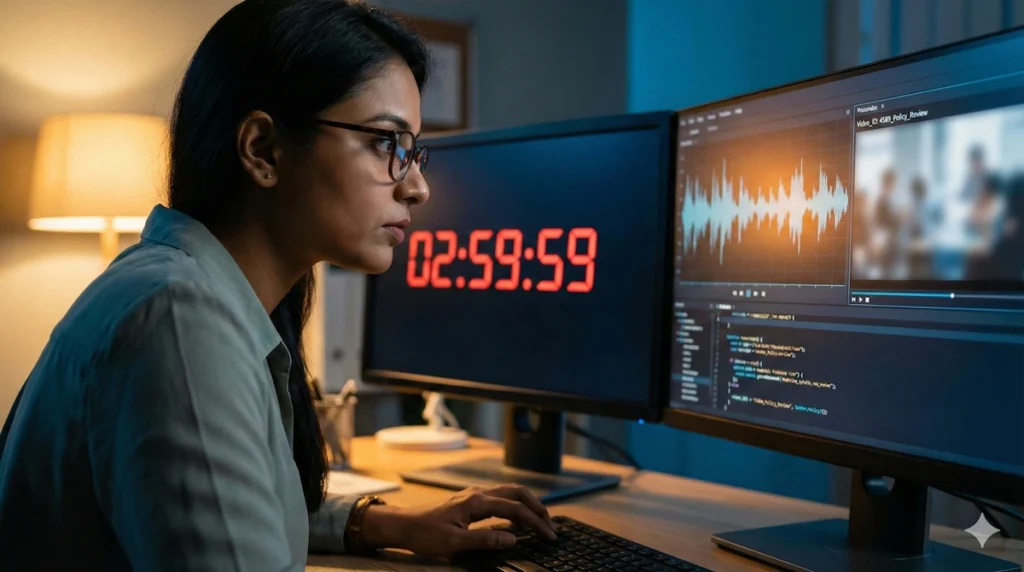
The most significant operational hurdle for tech giants is the dramatically compressed content removal timeline.
- 3 Hours for Unlawful Content: Upon receiving a valid court or government order, platforms must remove illegal AI content within three hours.
- 2 Hours for Sensitive Imagery: In cases involving non-consensual intimate imagery (NCII) or AI-morphed nudity, the compliance window shrinks to just two hours to prevent rapid viral spread and immediate psychological harm.
- 7 Days for General Grievances: Standard user complaints regarding synthetic media must now be resolved within a week, halved from the previous 15-day allowance.
Automated Tools and Technical Safeguards
Reactive moderation is no longer legally sufficient. Under the India deepfake regulations 2026, intermediaries must deploy automated technical tools to actively prevent the upload of prohibited content. This includes deepfakes related to child sexual abuse material, false electronic records, and dangerous tutorials like explosives manufacturing.
Mandatory Labelling and User Declarations
Transparency is now a rigid legal obligation. All permitted AI-generated content must carry a clear, prominent label. Furthermore, platforms are required to embed persistent metadata—digital fingerprints that trace a file back to its source—and cannot allow users to suppress these disclosures.
The burden of compliance also extends to everyday users. When uploading media, users must explicitly declare if the content was generated using AI tools. However, platforms cannot rely strictly on the honor system; they must deploy advanced verification tools to cross-check these user declarations and proactively label undeclared synthetic media. We closely monitor these evolving tech compliance standards; you can read more about our editorial commitment to AI transparency on our About Us page.
The Free Speech Debate Surrounding the India Deepfake Regulations 2026
While the India deepfake regulations 2026 provide a much-needed shield against digital harassment and election interference, they have sparked intense debate among free speech advocates and tech industry leaders.
The Risk of Automated Over-Censorship
Critics argue that forcing a 3-hour takedown window leaves virtually no room for nuanced human review. Faced with the threat of losing their “safe harbour” protection under Section 79 of the IT Act, platforms might resort to aggressive, automated over-compliance. This means legitimate content—such as political satire, artistic expression, or basic educational materials—could easily be caught in the crossfire of overly sensitive AI filters, leading to the unwarranted censorship of lawful speech.
Balancing Protection and Innovation
The government has attempted to mitigate these concerns by exempting “good faith” edits. Basic adjustments like color correction, noise reduction, and accessibility translations do not trigger the strict SGI labeling requirements, provided they do not maliciously mislead the viewer. For official language and full legislative guidelines, you can review the latest updates directly from the Ministry of Electronics and Information Technology (MeitY).
Ultimately, the success of the India deepfake regulations 2026 will depend entirely on how effectively tech companies can implement automated verification tools without silencing valid digital expression. As the line between reality and synthetic media blurs, these rules set a global, high-stakes precedent for rapid AI governance.
Frequently Asked Questions
When do the India deepfake regulations 2026 take effect?
The amended IT Rules officially come into force on February 20, 2026. Digital platforms were given a 10-day implementation window following the February 10 notification to upgrade their technical compliance systems.
Will basic social media filters be banned under these new rules?
No. The regulations specifically exempt routine, good-faith editing. Standard color correction, compression, basic aesthetic filters, and text-to-speech accessibility features do not require AI labelling, as long as they don’t fundamentally distort the truth or misrepresent an individual.
What happens if a platform misses the 3-hour takedown deadline?
If a platform fails to remove flagged illegal synthetic content within the mandated three hours, it risks losing its safe harbour protection. This means the company can be held legally liable and prosecuted for the user-generated content hosted on its site.