
Key Takeaways
- AI and ONDC are combining to level the digital playing field, allowing local shopkeepers to compete directly with e-commerce monopolies.
- Startups are deploying AI cataloging tools that turn a simple smartphone photo into a fully translated, ONDC-ready product listing in seconds.
- Predictive inventory models analyze hyper-local data to alert shopkeepers about upcoming demand spikes, ensuring they never miss a sale.
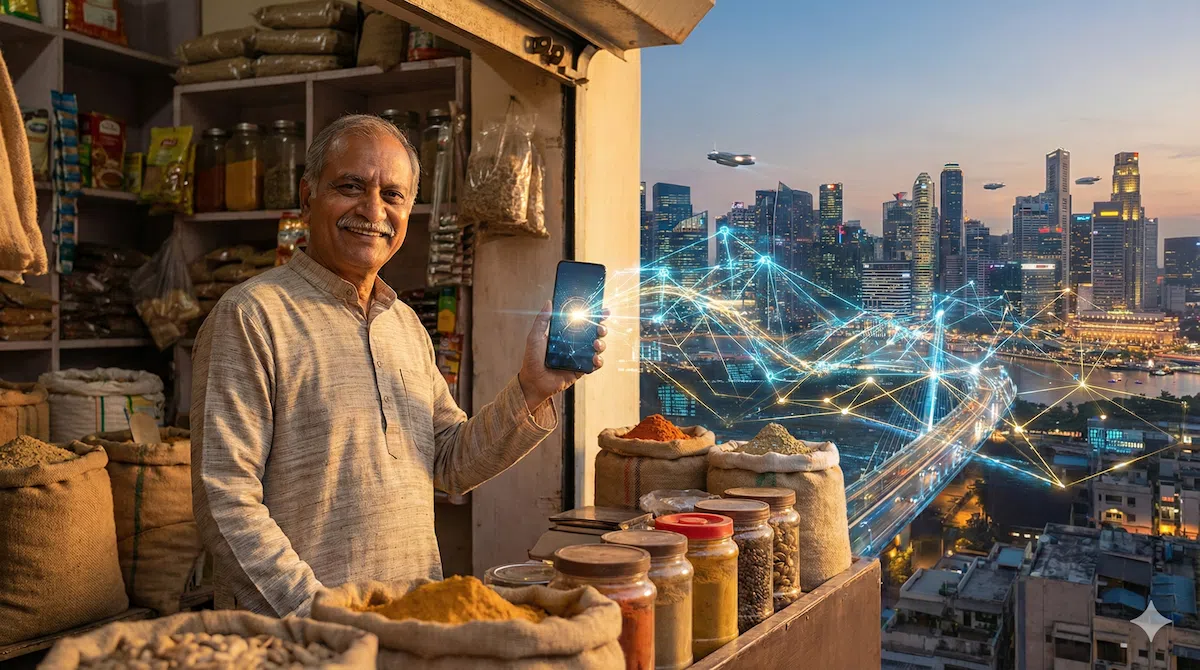
For years, the Indian retail narrative has been a classic David versus Goliath story. On one side, massive e-commerce monopolies armed with billions of dollars and sophisticated algorithms. On the other, the traditional neighborhood shopkeeper, relying purely on foot traffic and handwritten ledgers. But the battle lines are rapidly shifting.
The integration of AI and ONDC (Open Network for Digital Commerce) is sparking a silent revolution. While the government-backed ONDC protocol provides the decentralized infrastructure to break digital monopolies, artificial intelligence is providing the actual firepower. Together, they are making true Kirana store digitization a highly profitable reality, equipping local vendors with the exact same technological capabilities as Silicon Valley giants.
Overcoming the Digital Barrier: Instant AI Cataloging
The biggest hurdle for a neighborhood grocer joining an Indian e-commerce network isn’t intent; it is friction. Uploading thousands of SKUs (Stock Keeping Units) manually—typing out descriptions, setting prices, and managing tags—is practically impossible for a shop owner managing an active storefront.
This is where the magic of AI cataloging steps in. Native tech startups are building brilliant computer vision tools designed specifically for the Indian market.
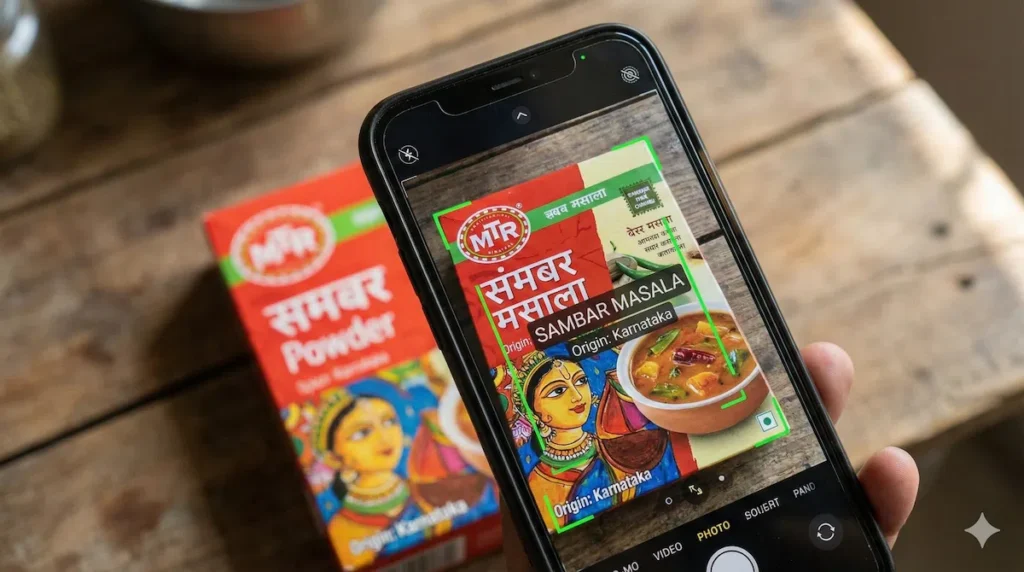
Today, a Kirana owner can simply take a smartphone photo of a generic soap bar or a packet of local spices. In milliseconds, the AI:
- Identifies the exact brand, weight, and product category.
- Generates an SEO-optimized product description.
- Translates the entire listing into regional languages like Hindi, Tamil, or Bengali using Indic LLMs.
- Uploads it directly to the ONDC buyer apps.
What used to take a dedicated data-entry team weeks to accomplish now takes a single shopkeeper seconds.
Beating the Giants at Their Own Game: Predictive Inventory
Being visible online is only half the battle. To truly compete, you have to anticipate what the customer wants before they even search for it. Historically, only massive tech conglomerates had the data pipelines to predict consumer behavior. Now, AI is democratizing that foresight through local retail tech.
By plugging into the broader ONDC network, AI algorithms can analyze hyper-local buying patterns down to the specific zip code.
- The Hyper-Local Advantage: Imagine a localized AI model predicting an unseasonal spike in umbrella and raincoat sales in a specific Mumbai neighborhood based on real-time weather APIs and historical purchasing data.
- Actionable Alerts: The AI sends a simple WhatsApp alert to the local Kirana owner: “High demand for umbrellas expected in your pin code tomorrow. Stock up now.”
This predictive inventory capability ensures that the local vendor secures the sale before the customer even thinks about opening a massive corporate shopping app.
The Market Impact in India
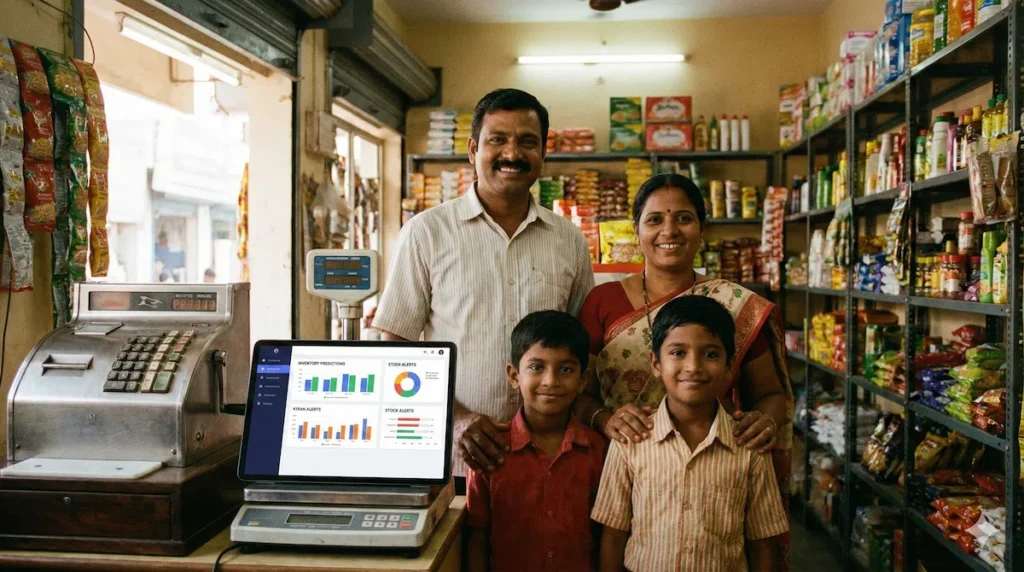
If we want to understand the true trajectory of the Indian economy, we have to look at its foundation. There are over 12 million Kirana stores in India, accounting for roughly 80% of the country’s massive retail sector.
The convergence of AI and ONDC matters because it prevents the centralization of wealth. If millions of small retailers are forced to pay exorbitant 20% to 30% commission fees to centralized e-commerce platforms, the local economy bleeds capital.
By utilizing sovereign AI models and the open ONDC protocol, commission fees drop to single digits. The profit stays within the neighborhood. Startups building these AI tools are not just creating software; they are ensuring the survival and financial upward mobility of the Indian middle class.
The Verdict
The architecture is set. ONDC democratizes the network, ensuring anyone can participate in digital commerce. But AI democratizes the capability to sell, removing the barriers of digital literacy and operational friction. Together, they are not just rewriting Indian retail—they are future-proofing it.
FAQs
How do AI and ONDC work together? ONDC provides the open digital network for buyers and sellers to connect without a central middleman. AI acts as the enabler for the seller, automating complex tasks like product cataloging, translating descriptions, and predicting local demand to help them compete efficiently on the network.
What is AI cataloging for Kirana stores? AI cataloging uses computer vision and machine learning to instantly identify a product from a smartphone photo. It automatically generates descriptions, prices, and regional translations, allowing Kirana owners to list their inventory online in seconds without manual data entry.
How does predictive inventory help local retailers? Predictive inventory uses AI to analyze local data trends (like weather, festivals, or neighborhood buying habits) to accurately forecast future demand. This alerts shopkeepers to stock up on specific items before a surge, maximizing their sales and preventing out-of-stock scenarios.